
You have a startup idea, but what's the best way to turn it into a real business? Two popular options are startup accelerators and incubators. While both support entrepreneurs, they work in different ways.
Understanding the difference can help you choose the right environment to develop your idea, gain traction, and grow.
What Is a Startup Accelerator?
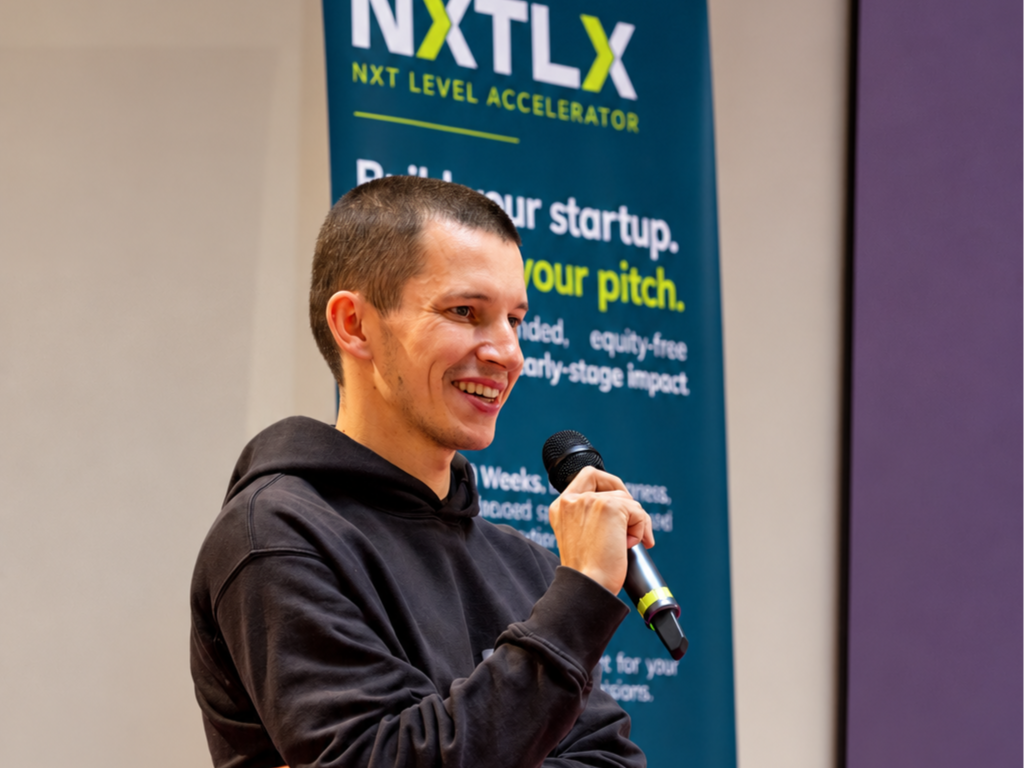
A startup accelerator is a structured, time-limited program designed to help founders make rapid progress.
Accelerators typically run for a few weeks to several months and combine practical workshops, mentoring, networking, and hands-on business development.
The focus is on execution: validating your idea, testing solutions, developing your business model, and reaching potential customers.
Many accelerators finish with a pitch event or Demo Day, although this isn't always the case.
Best for: Founders who want structure, accountability, expert feedback, and measurable progress within a defined timeframe.
What Is a Startup Incubator?
A startup incubator supports entrepreneurs over a longer, often more flexible period.
Incubators frequently operate through universities, research institutions, or innovation hubs. They may provide workspace, mentoring, technical resources, and access to academic or industry networks.
Unlike accelerators, incubators don't always follow a fixed curriculum or timeline.
Their focus is often on helping early-stage ideas mature into viable businesses.
Best for: Founders who need time to explore an idea, conduct research, develop technology, or build their initial team.

Startup Accelerator vs. Incubator: Key Differences
The biggest difference between an accelerator and an incubator is the pace and structure of the support they provide.
Duration and structure: Accelerators typically run for a few intensive weeks or months, following a structured program with clear milestones. Incubators often provide longer-term, more flexible support that can last several months or even years.
Focus and development stage: Accelerators emphasize rapid validation, execution, and traction. Incubators tend to focus on exploring ideas, developing technologies, and establishing the foundations of a business.
Mentoring and resources: Accelerators generally offer structured workshops, coaching, and access to industry experts. Incubators may provide ongoing mentorship, workspace, research facilities, and connections to academic institutions.
Funding and equity: Some accelerators provide investment in exchange for equity, while others are publicly funded and free. Incubators may offer grants, subsidized resources, or investment opportunities. The conditions depend on the specific program.
These distinctions aren't universal. Some accelerators welcome founders with nothing more than an idea, while some incubators work with established startups.
Which One Should You Choose?
The right program depends on what your startup needs most.
Choose an accelerator if:
You have a startup idea and want to test it quickly.
You need practical guidance and accountability.
You want to develop an MVP or find your first customers.
You're ready to commit to an intensive program.
Choose an incubator if:
You're still exploring potential business ideas.
Your concept requires extensive research or development.
You prefer a longer, more flexible timeline.
You need access to specialized facilities or academic resources.
Neither option is automatically better. A great incubator may be more useful than an accelerator if you're developing research-intensive technology, while an accelerator may be ideal if you're ready to test your business idea in the market.
How NXTLX Helps Early-Stage Founders
At NXT LEVEL ACCELERATOR (NXTLX) in Berlin, we believe you don't need a finished product or an established company to start making progress.
Our fully funded 10-week startup sprint helps early-stage, impact-driven founders turn their ideas into actionable business concepts through practical workshops, personalized coaching, and a supportive founder community.
The focus is on learning by doing: understanding your customers, validating your assumptions, testing your solution, and building toward traction.
You don't need existing revenue or a polished pitch deck. What matters is your commitment to developing an idea with positive impact.
Explore the NXTLX 10-week accelerator and join the next batch waiting list.
Final Thoughts
Accelerators and incubators share the same fundamental purpose: helping entrepreneurs transform ideas into businesses.
The key difference is how they approach that journey.
Incubators give ideas room to develop. Accelerators help founders move forward with focus and momentum.
If you're ready to stop overthinking and start testing, a structured accelerator might be exactly what you need.
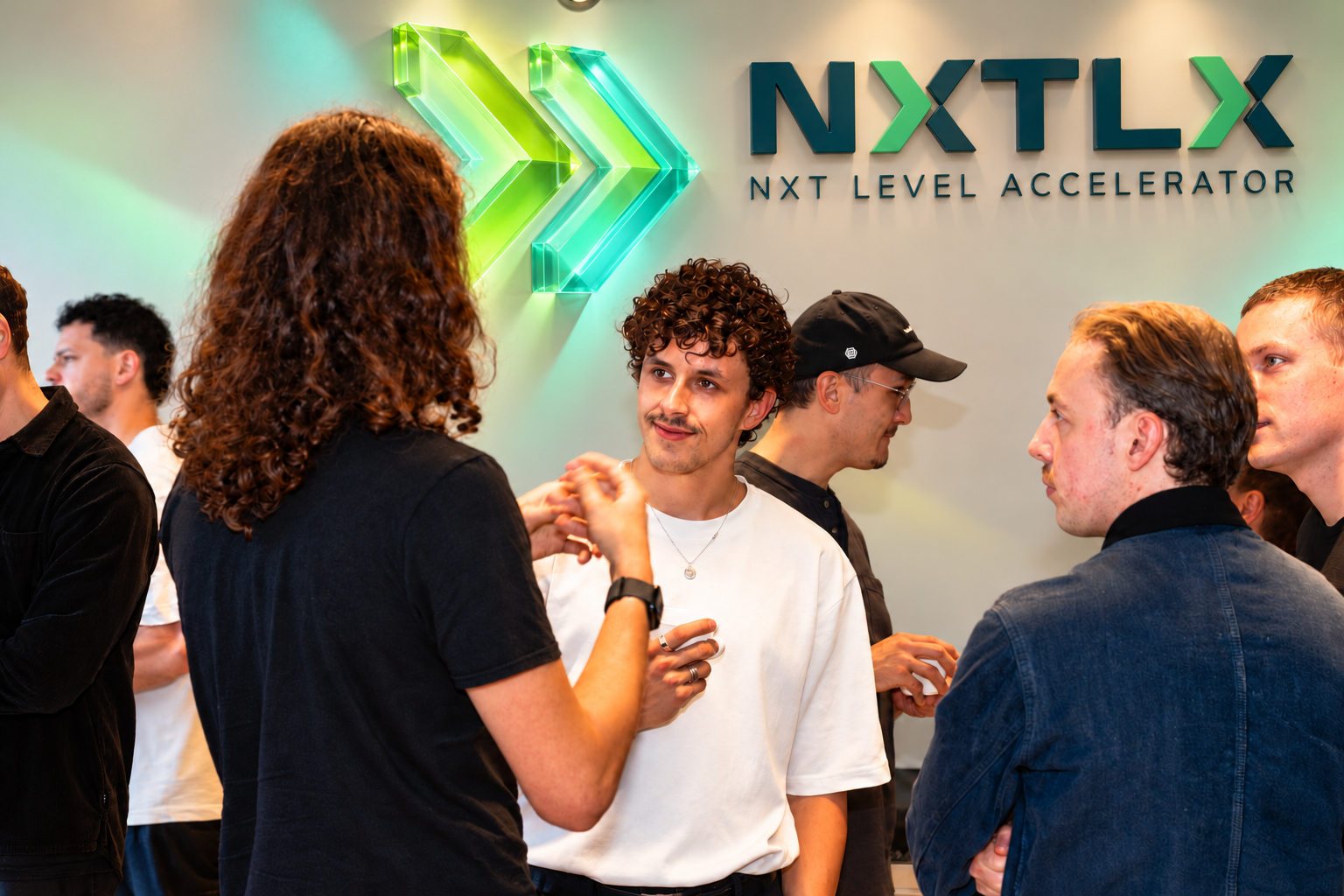
If you're an early-stage founder in Germany building a business with a positive impact, the NXT LEVEL ACCELERATOR could help you take the next step.
Join a community of founders, learn from experienced mentors, and work toward meaningful progress during our fully funded 10-week sprint.
